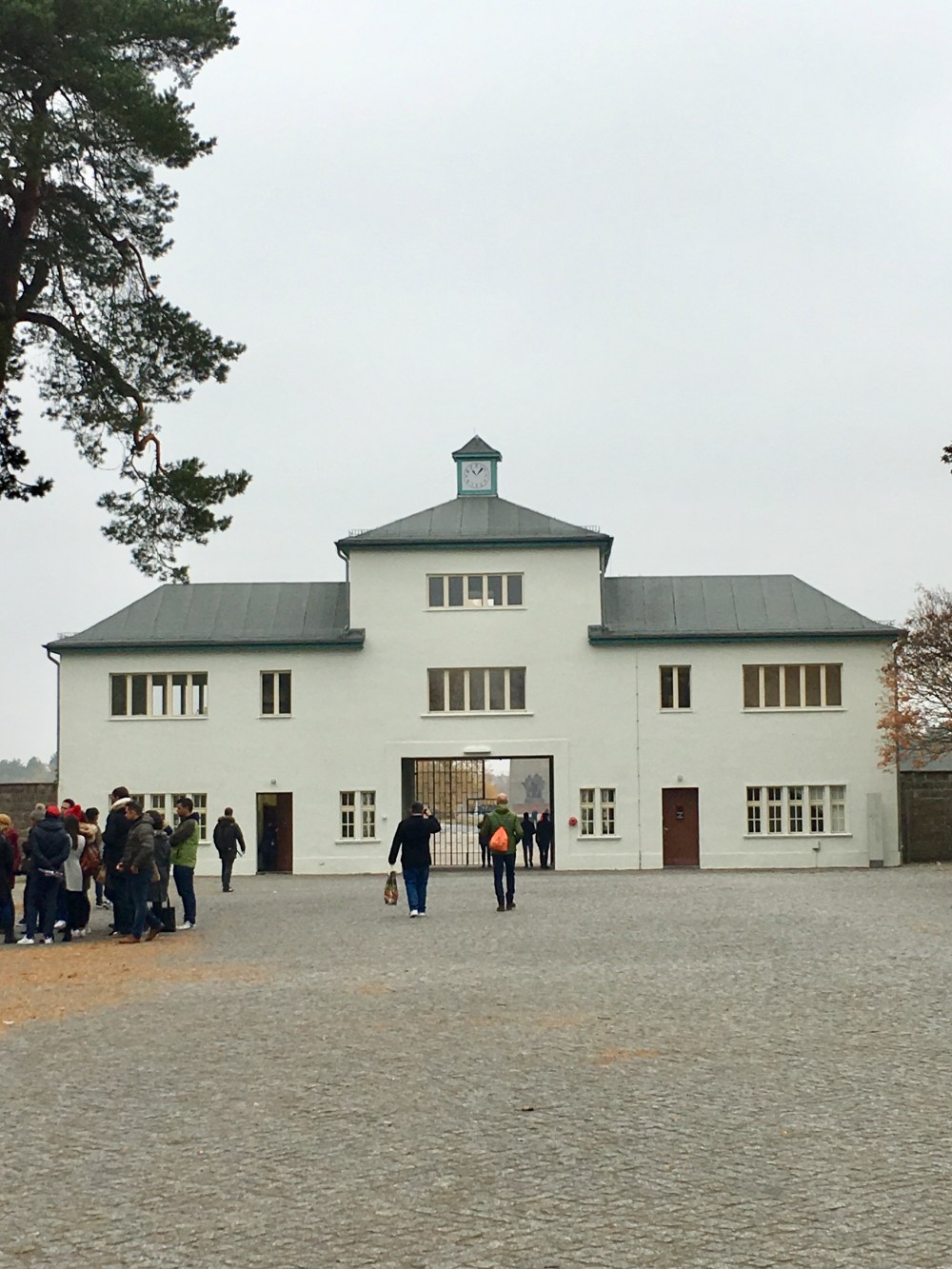
So today was a really cloudy and overcast day. So I decided to do my last “heavy” day and went with a tour group to visit the Sachsenhausen Memorial and Museum. I’ll warn you, today’s entry could be a bit depressing but after the latest anti-Semitic shooting in Pittsburgh, we all must continue to learn and understand the past so that we never forget.
About 20 miles north of Berlin, the small town of Oranienburg was the site of one of the most notorious Nazi concentration camps. Sachsenhausen’s proximity to the capital gave it special status as the place to train camp guards and test new procedures. It was also the site of the Third Reich’s massive counterfeiting operation to destabilize Great Britain by flooding the monetary system with forged pound notes.
Completed in July 1936, Sachsenhausen was the first concentration camp built under SS chief Heinrich Himmler. It was not, strictly speaking, a “death camp” for mass murder (like Auschwitz); it was a labor camp, intended to wring hard work out of their prisoners.
Between 1936 and 1945, about 200,000 prisoners did time here; about 50,000 died here, while numerous others were transported elsewhere to be killed (in 1942, many of Sachsenhausen’s Jews were taken to Auschwitz). Though it was designed to hold 10,000 prisoners, by the end of its functional life the camp had up to 38,000 people. In the spring of 1945, knowing the the Red Army was approaching, guards took 35,000 able-bodied prisoners on a death march, leading them into the forest for seven days and nights with no rations. Rather than “wasting” bullets to kill them, SS troops hoped that the prisoners would expire from exhaustion. On the eighth day, after 6,000 had died, the guards abandoned the group in the wilderness. When Soviet troops liberated Sachsenhausen on April 12, 1945, they discovered an additional 3,000 prisoners who had been too weak to go on the death march and were left to die (all but 300 survived).
Just three months after the war, Sachsenhausen was converted into Soviet Special Camp No. 7 for the USSR’s own prisoners. It was a notorious “silent camp”, where prisoners would disappear – allowed no contact with the outside world and their imprisonment officially unacknowledged. The prisoners were Nazis as well as anti-Stalin Russians. By the time the camp closed in 1950, 12,000 more people had died here.
In 1961, Sachsenhausen became the first former concentration camp to be turned into a memorial. The East German government created the memorial mostly for propaganda purposes, to deflect attention from the controversial construction of the Berlin Wall and to exalt the USSR as the valiant antifascist liberators of the camp and all of Germany.
Some interesting prisoners were there while it was still a concentration camp. It housed three Allied airmen who had participated in a bold escape from a Nazi prisoner-of-war camp (the basis for the 1963 movie The Great Escape starring Steve McQueen); they later managed to escape from Sachsenhausen as well, before being recaptured. Also there was Joseph Stalin’s son, Yakov Dzhugashvili, who had been captured during the fighting at Stalingrad. The Nazis offered to exchange the young man for five German officers but Stalin refused and soon after, Yakov died here under mysterious circumstances.
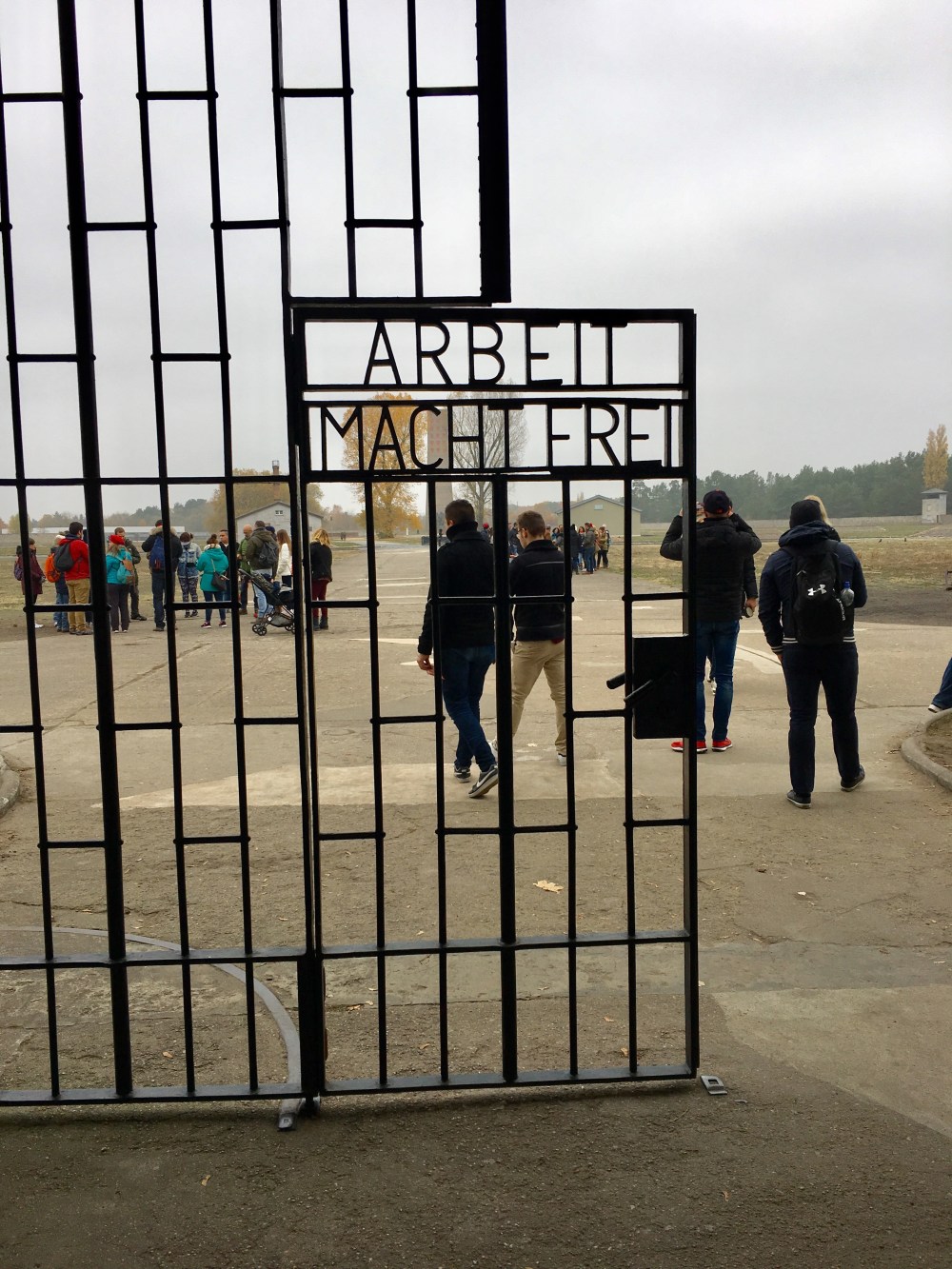
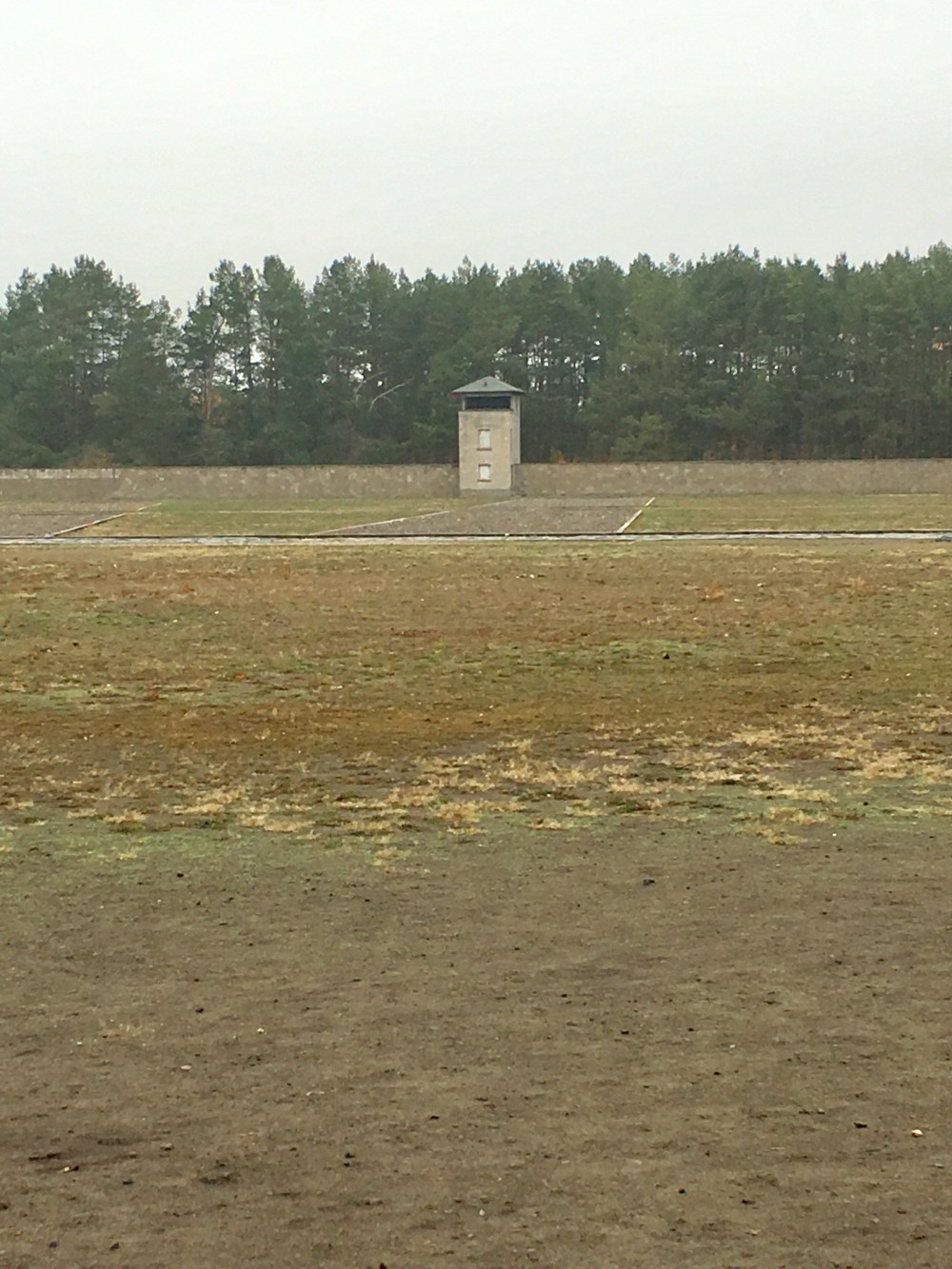
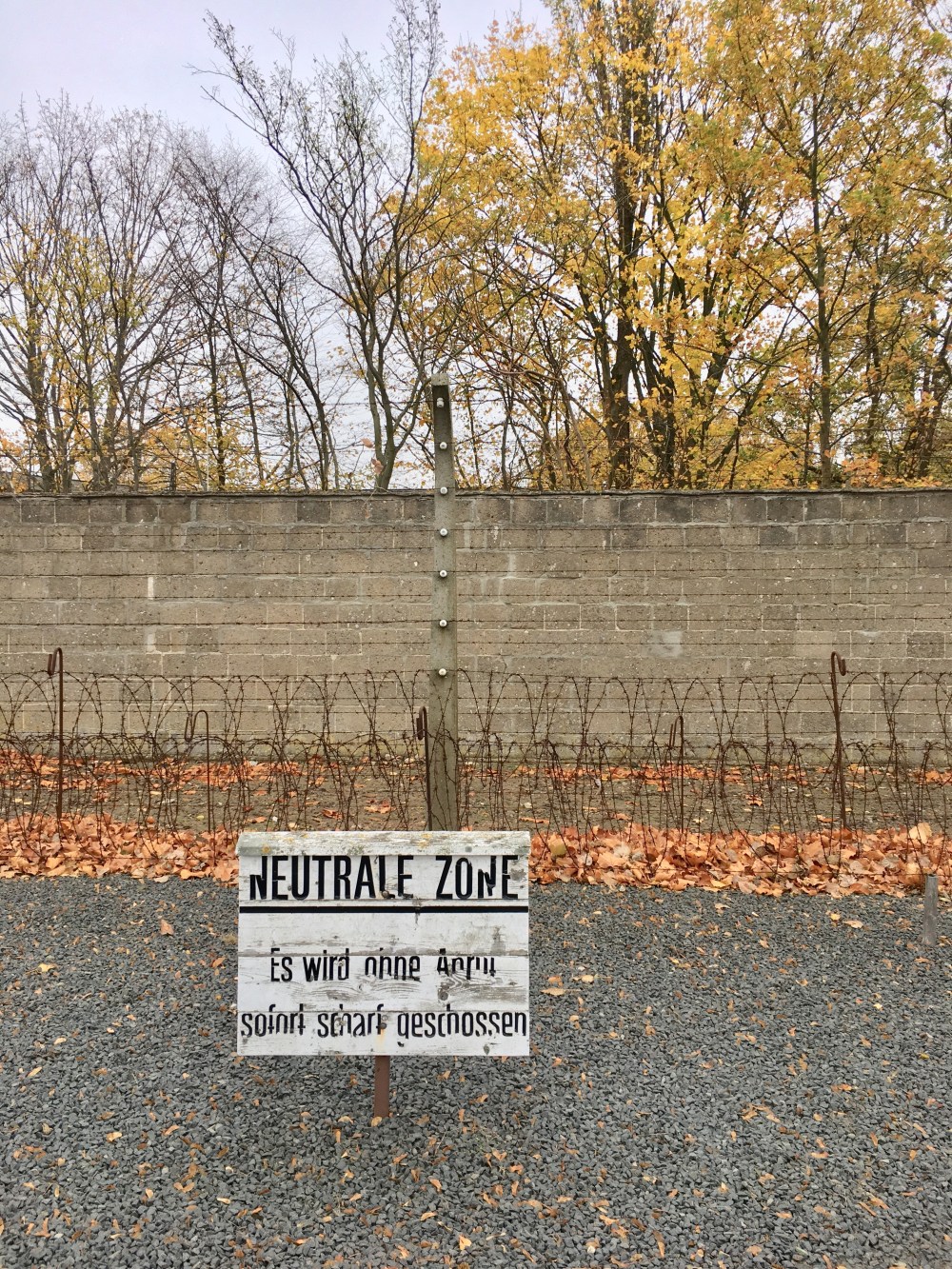
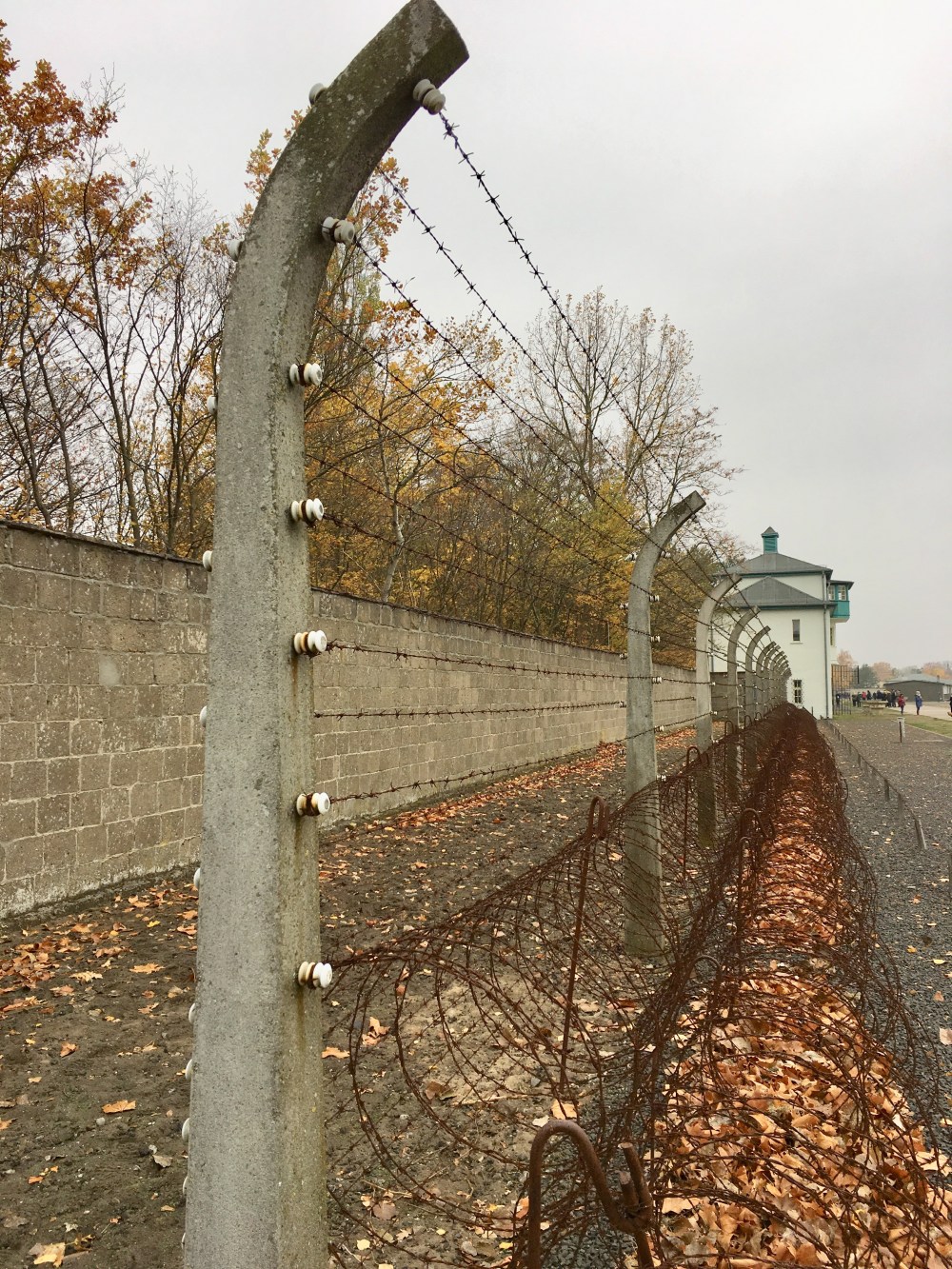
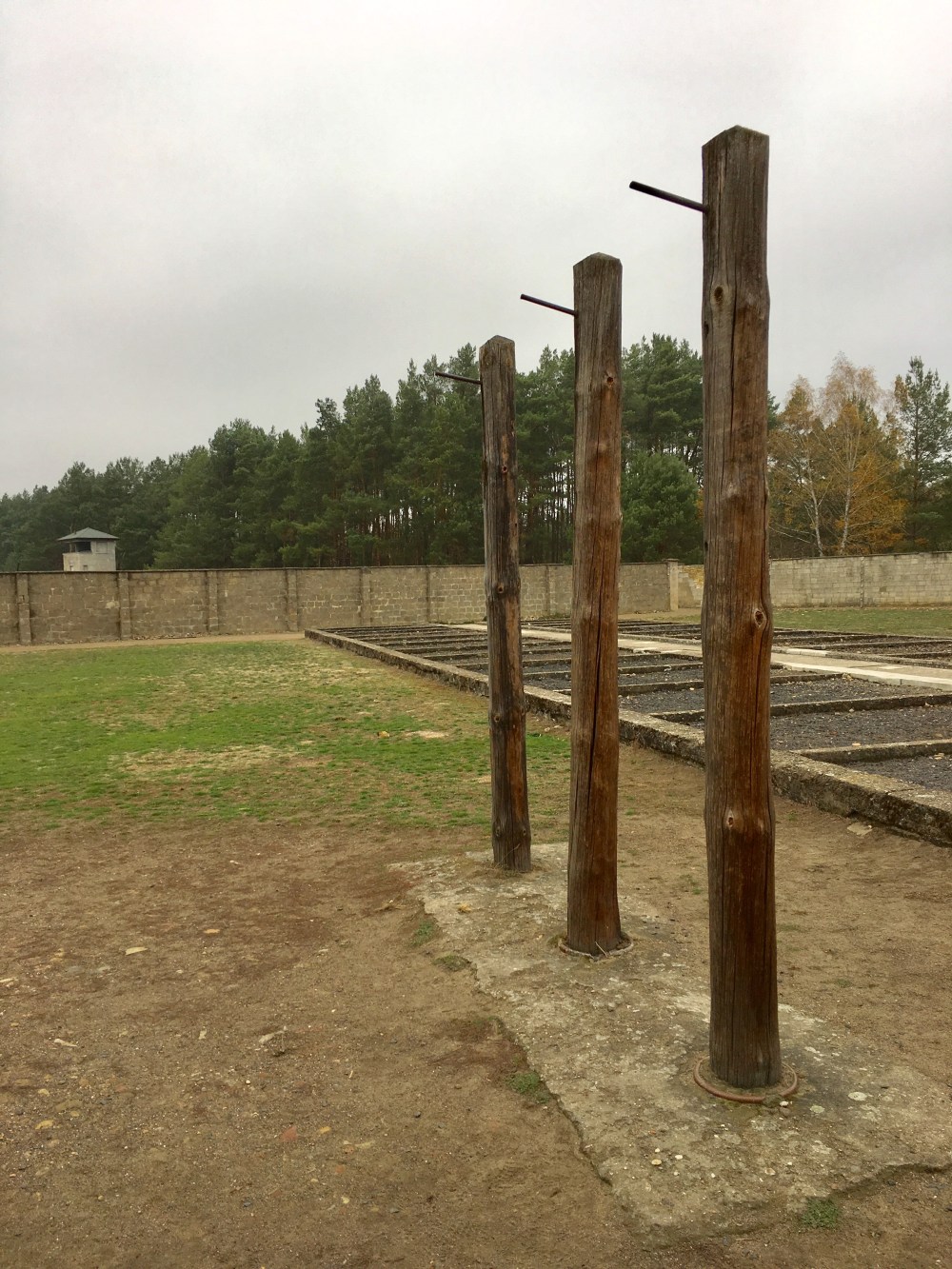
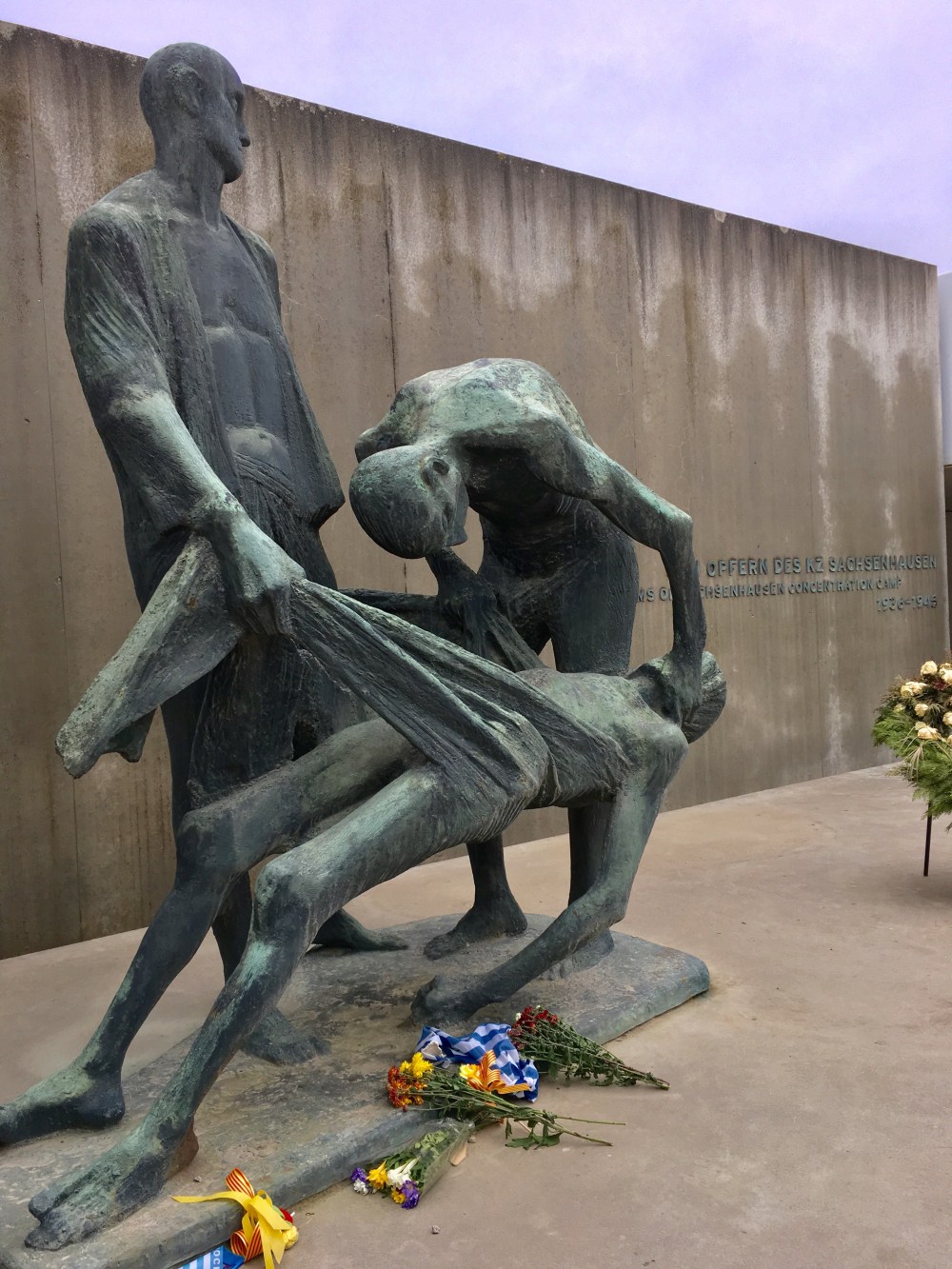
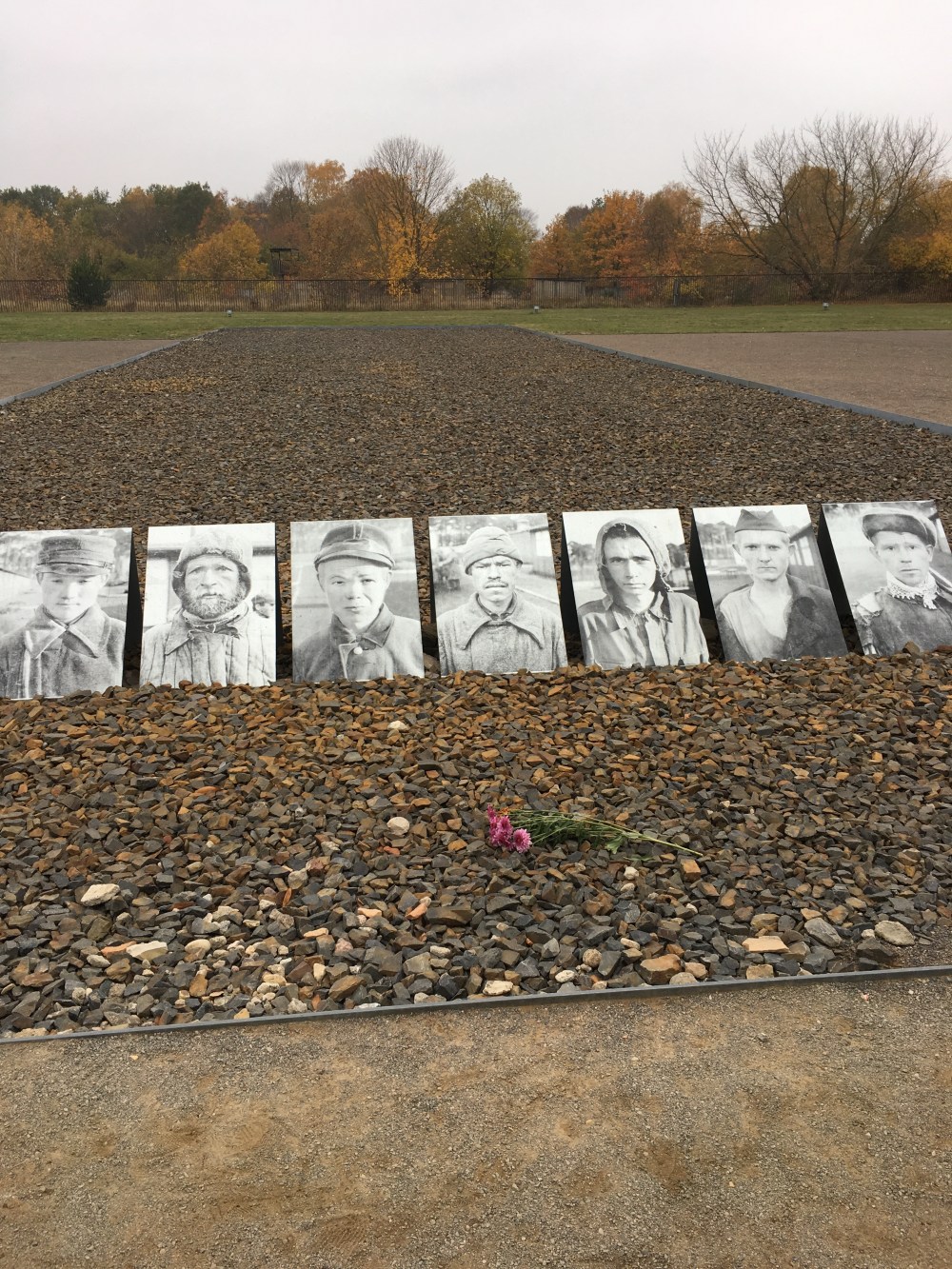
So I’ve included some pics of the grounds but won’t explain each but just leave you with the somber and dark images. I’ll only interpret two of the German signs. The first on pic 2 you’ve seen before and is on the entry gate of all concentration camps and says “Work sets you free”. The other on pic 4 translates loosely to say “You will be shot without warning”.
Well with that heavy note I will say good night. Hope everyone enjoyed their extra hour of sleep.
Jeff

 The Wandering Italian