Well I ventured a little off the beaten path today. I took a day trip with a tour group to the town of Potsdam about 45 minutes southwest of Berlin. It was the summer retreat for Frederick the Great, has a quaint pedestrian only downtown and also has some interesting Cold War sites.
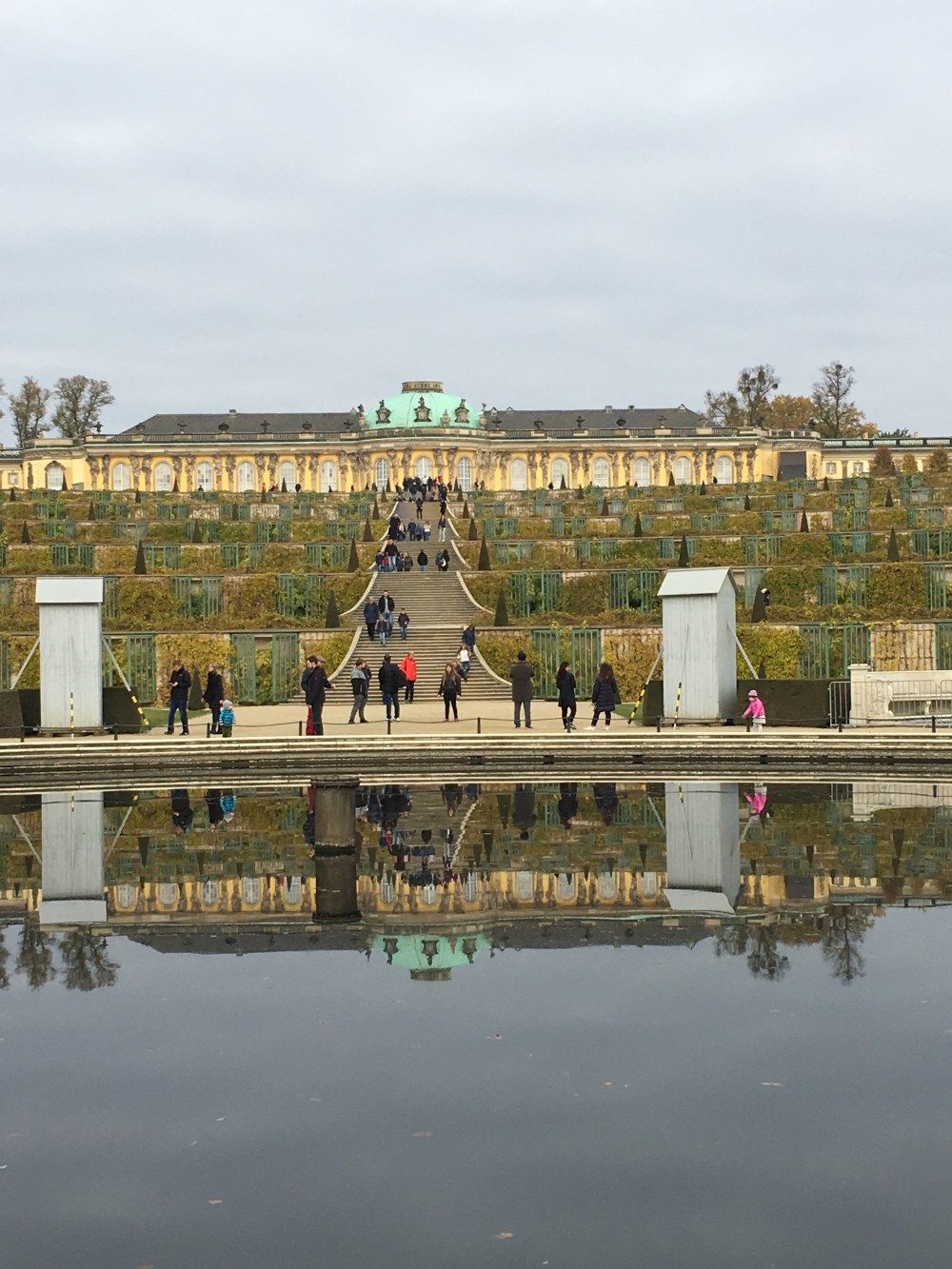
The first picture is the Sanssouci Palace. Sans souci means “without a care”, and this was the carefree summer home of Frederick the Great (built 1745-1747).
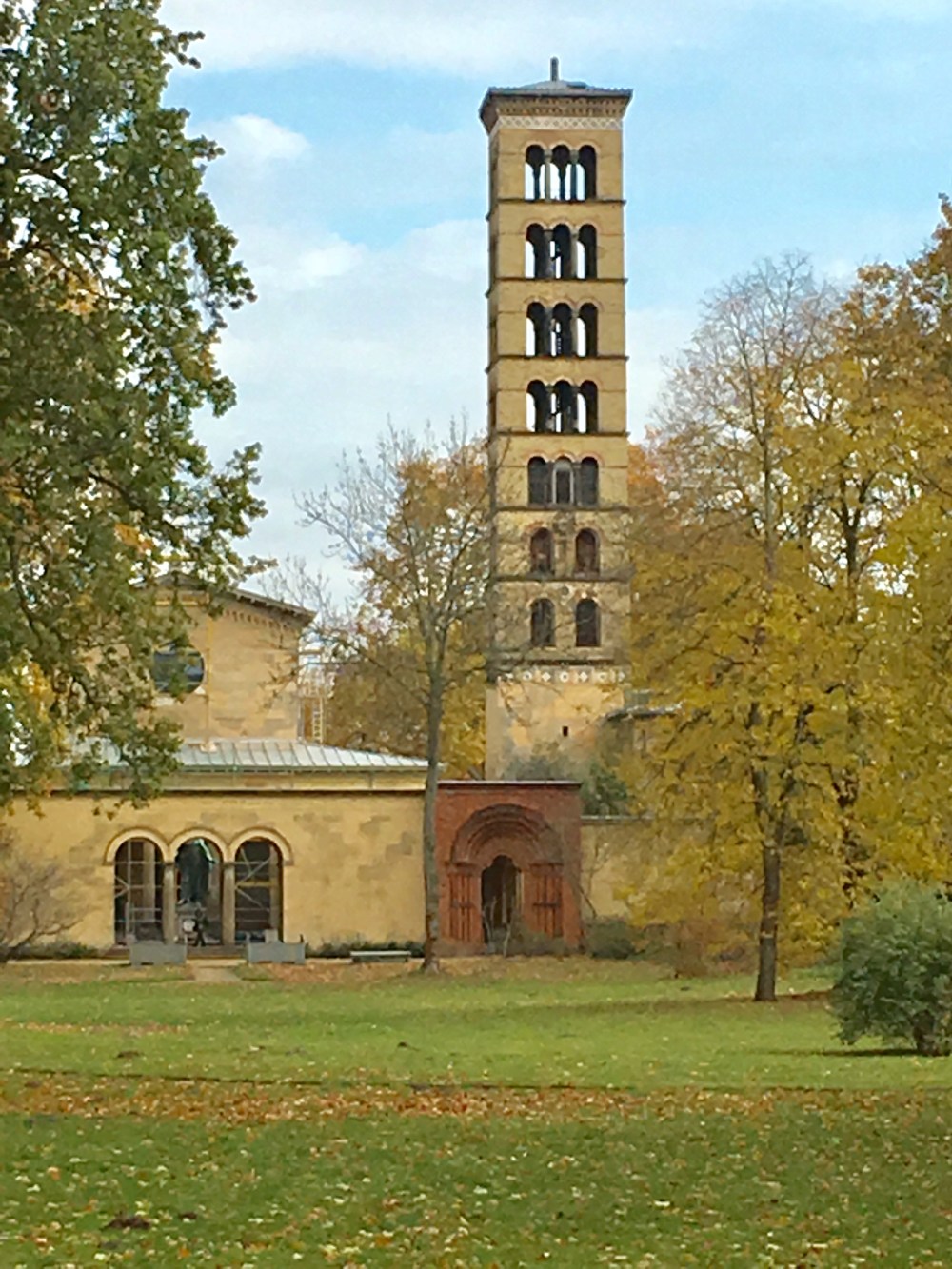
Next is the Protestant Church of Peace (German: Friedenskirche) and is situated within the palace grounds of the Sanssouci Park. I thought the name was appropriate since it’s in such a peaceful setting.
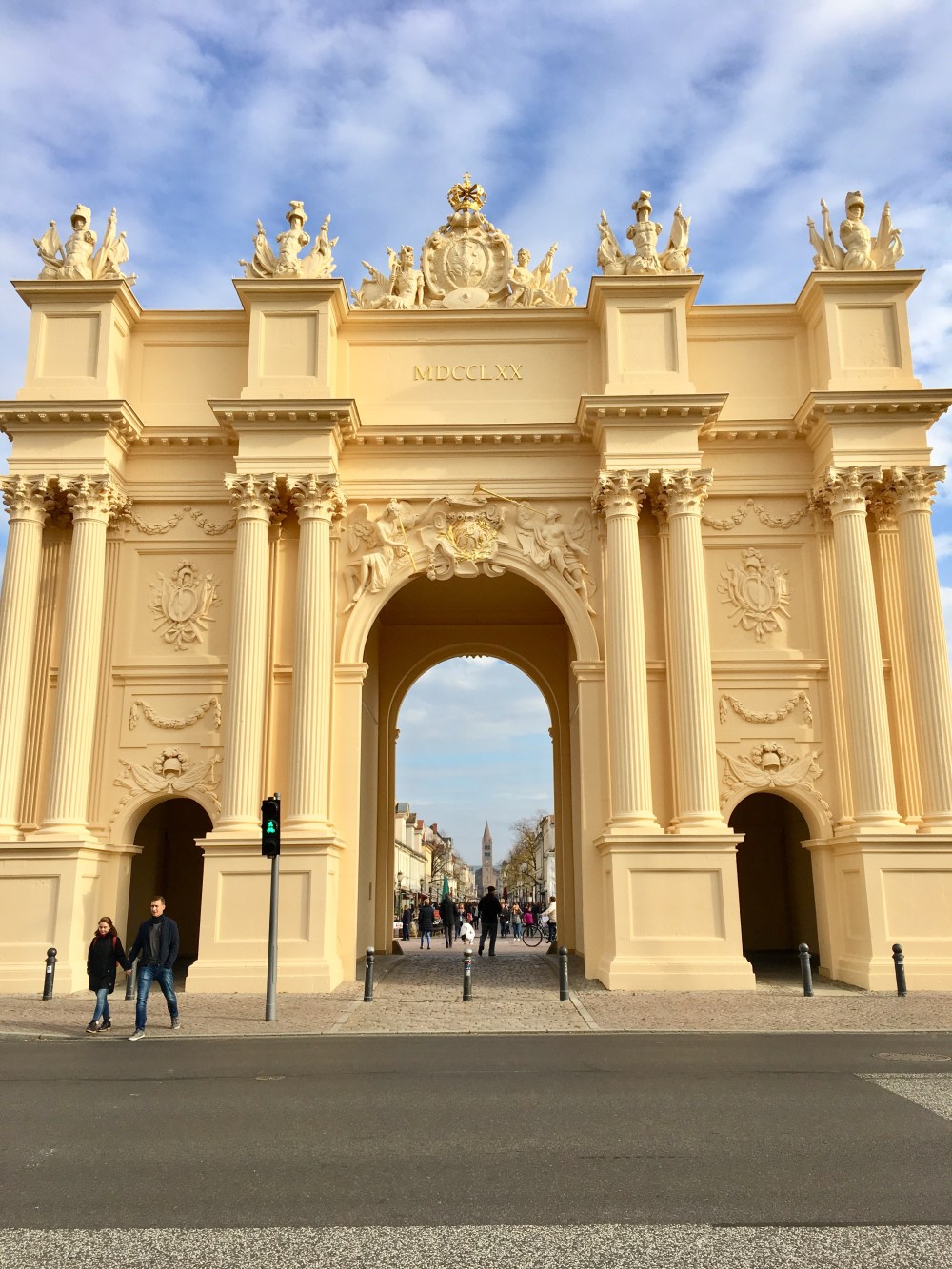
Next is the main gate into the city of Potsdam and it too is called the Brandenburg Gate (since it led to the town of Brandenburg). While it’s pretty, I like Berlin’s better.
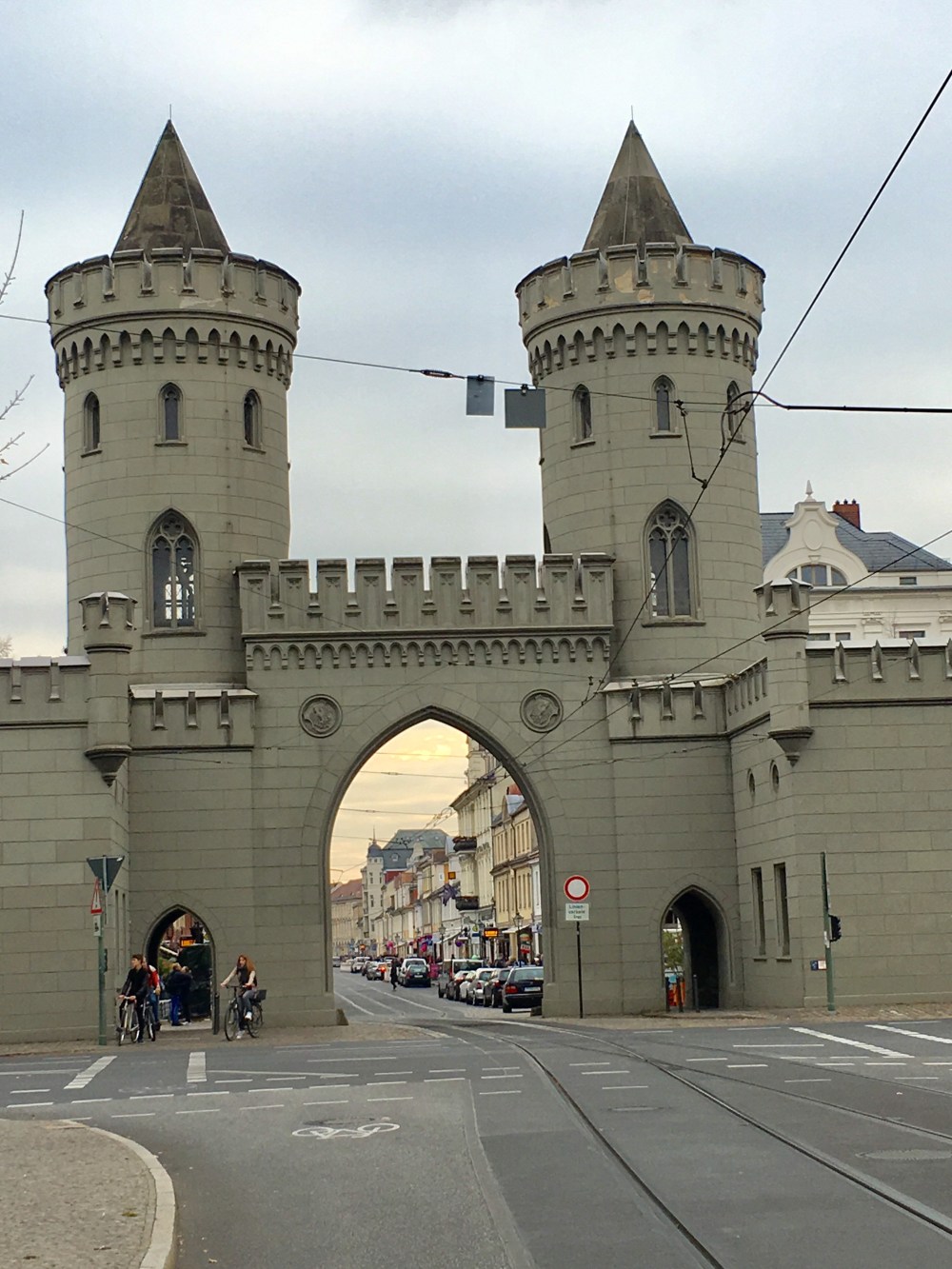
Next is the Harry Potter Gate. Just kidding! But it does have that cool Gothic look. It’s actually the Nauener Tor or Nauen Gate (since it led to the town of Nauen). It was built in 1755 and is the first example of the influence of English Gothic Revival architecture in Continental Europe.
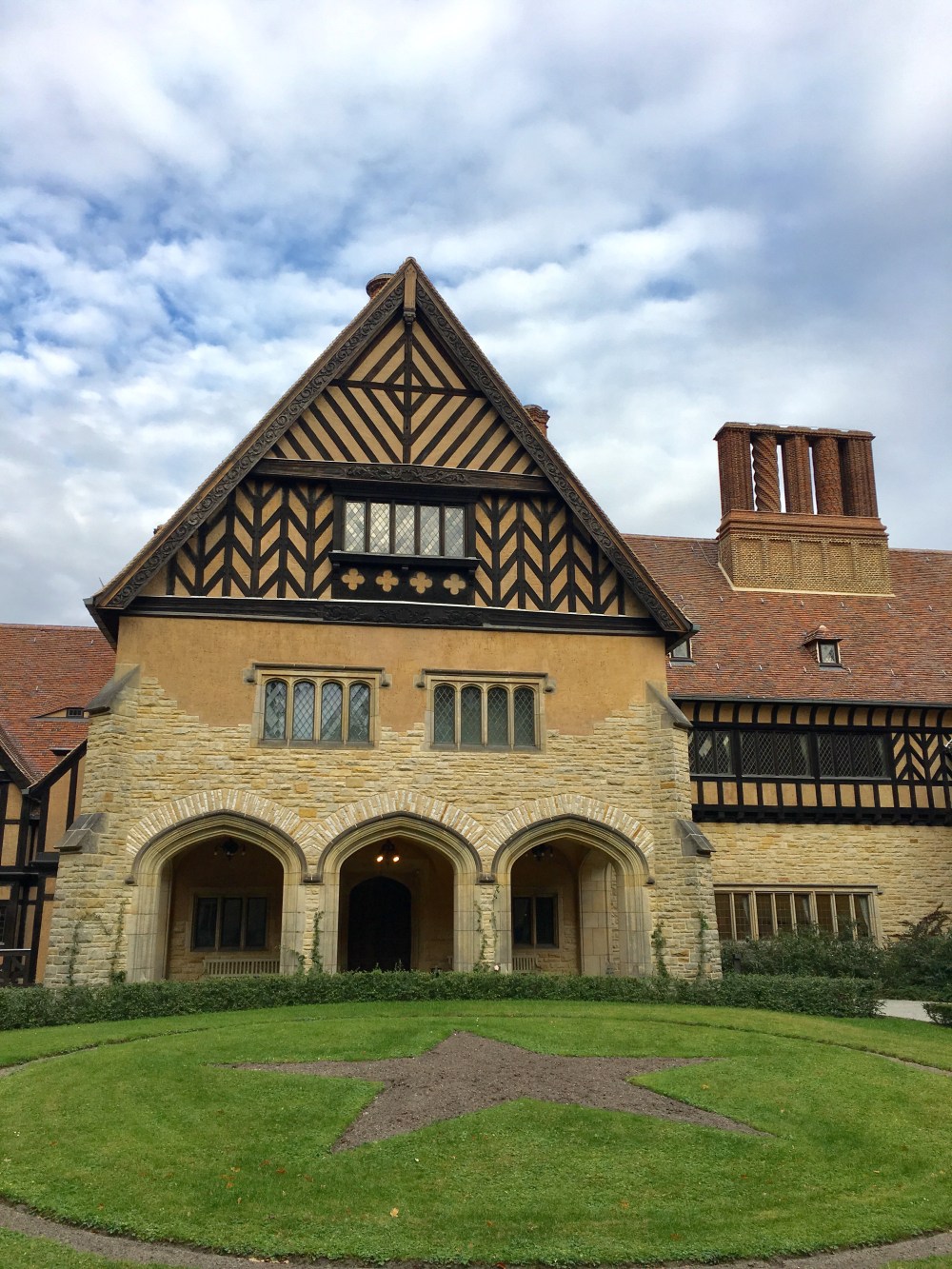
Next is part of the Cecilienhof Palace. This Tudor style villa was built in 1912 to House Crown Prince Wilhelm and his wife Cecilie, who would have ruled Germany had Kaiser Wilhelm II not lost World War I. But the real draw here is the 1945 history. (Note the star figure on the ground. It’s usually filled with red flowers to denote the red star of the Soviets since they manned this during 1945). It was the site of the Potsdam Conference for two weeks in the summer of 1945. It’s where Harry Truman, Winston Churchill and Joseph Stalin negotiated how best to punish Germany for dragging Europe through another devastating war. It was here that the postwar map of Europe was officially drawn, setting the stage for a protracted Cold War that would drag on for more than four decades. This was also where Truman issued the “Potsdam Declaration” – demanding that Japan surrender to end the war once and for all. Japan refused and the US dropped bombs on Hiroshima and Nagasaki.
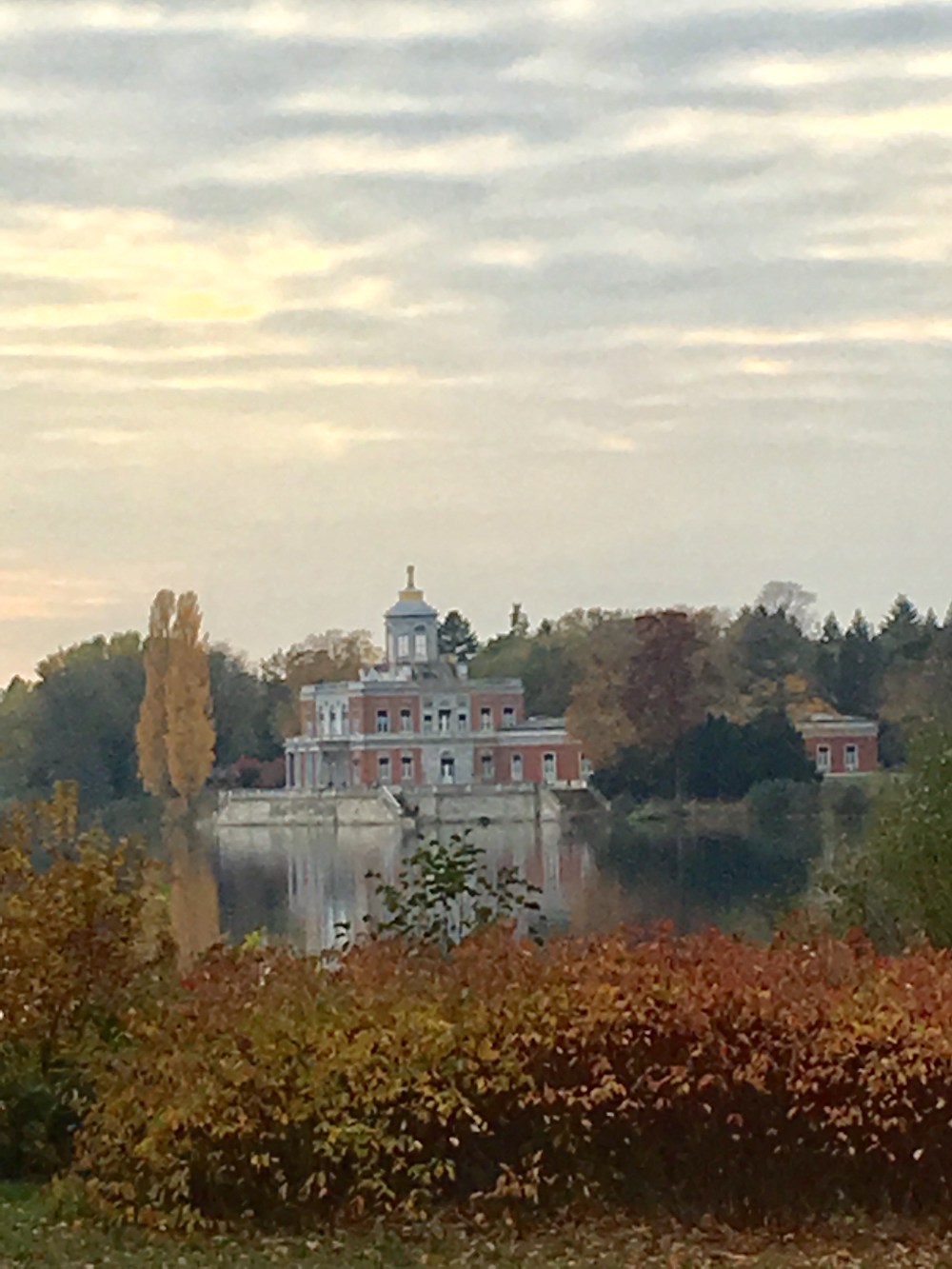
Next is the Marmorpalais (or Marble Palace). It’s a former royal residence built on the grounds of the extensive Neuer Garden on the shores of the Heilinger See (lake). The palace was commissioned by King Friedrich Wilhelm II of Prussia. The palace remained in use by the Hohenzollern family until the early 20th century. It served as a military museum under communist rule, but has since been restored and is once again open to the public.
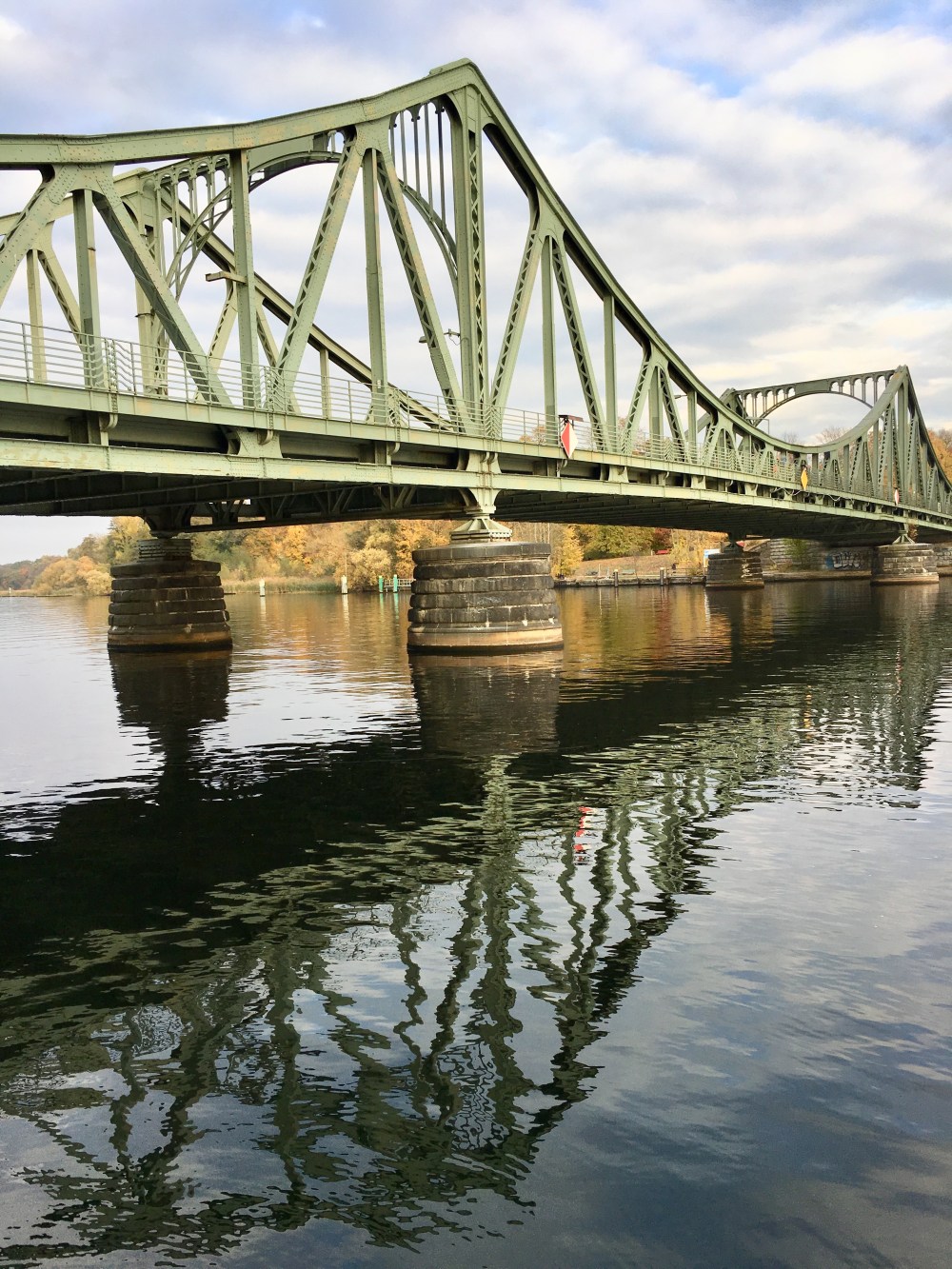
Next is a picture of a famous bridge called the Glienicke Bridge, otherwise known as the Bridge of Spies. Because it was a restricted border crossing between the Eastern Bloc (namely Potsdam in East Germany) and territory affiliated with the Western powers (namely the American sector of West Berlin), the Americans and Soviets used it for the exchange of captured spies during the Cold War. One of the most famous spy exchanges happened as follows. Francis Gary Powers was an American pilot of a U-2 spy plane shot down and captured by the Soviets. Rudolf Abel was a Soviet spy captured by the US. They were eventually exchanged right here on this bridge. The story was further depicted in the 2015 movie called Bridge of Spies starring Tom Hanks and directed by Steven Spielberg.
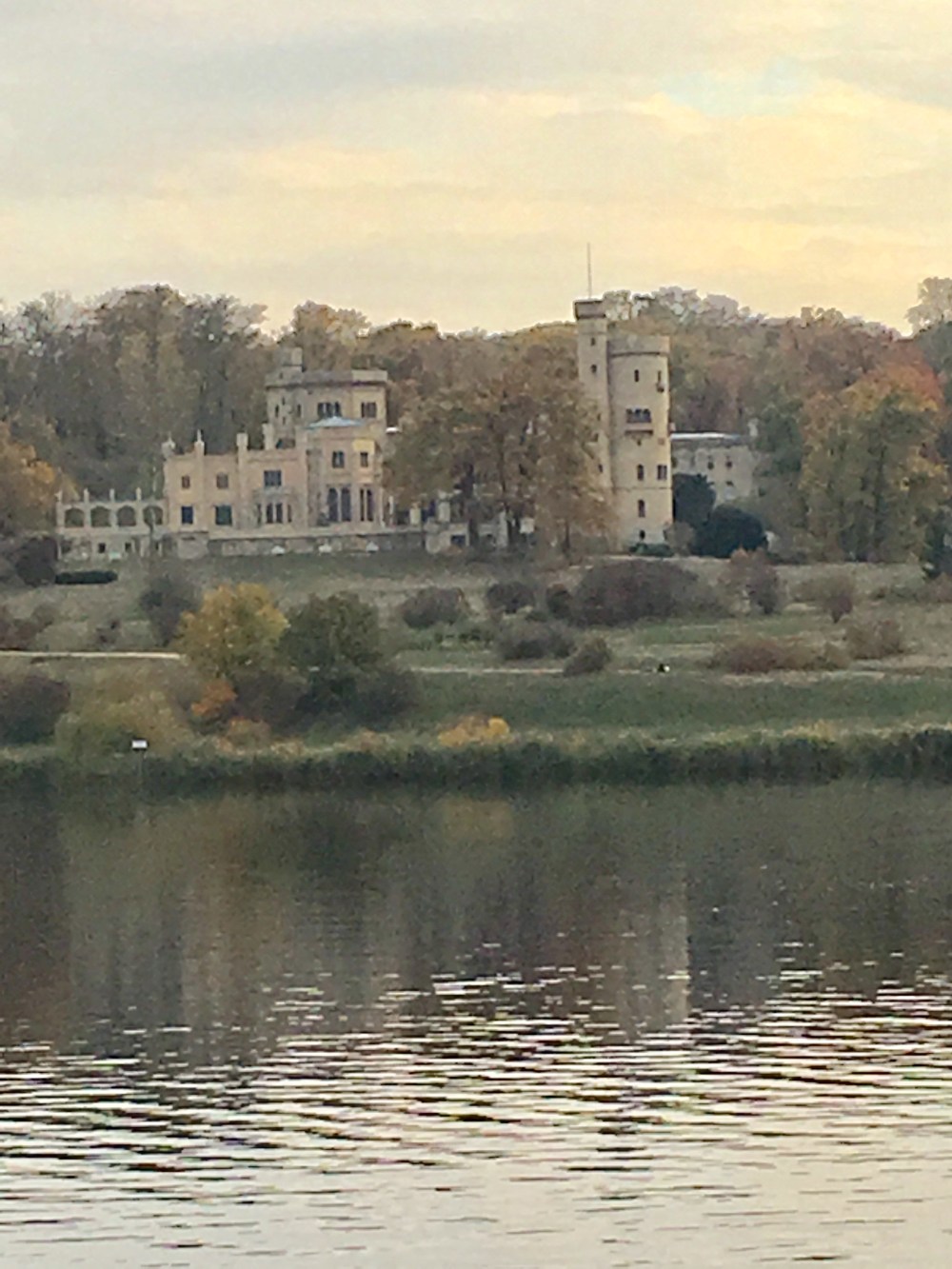
Last is the Babelsberg Palace. For over 50 years it was the summer residence of Prince William, later German Emperor William I and King of Prussia and his wife, Augusta.
Well that’s Potsdam and that was my day. Hope your day was a good one!
Jeff

 The Wandering Italian