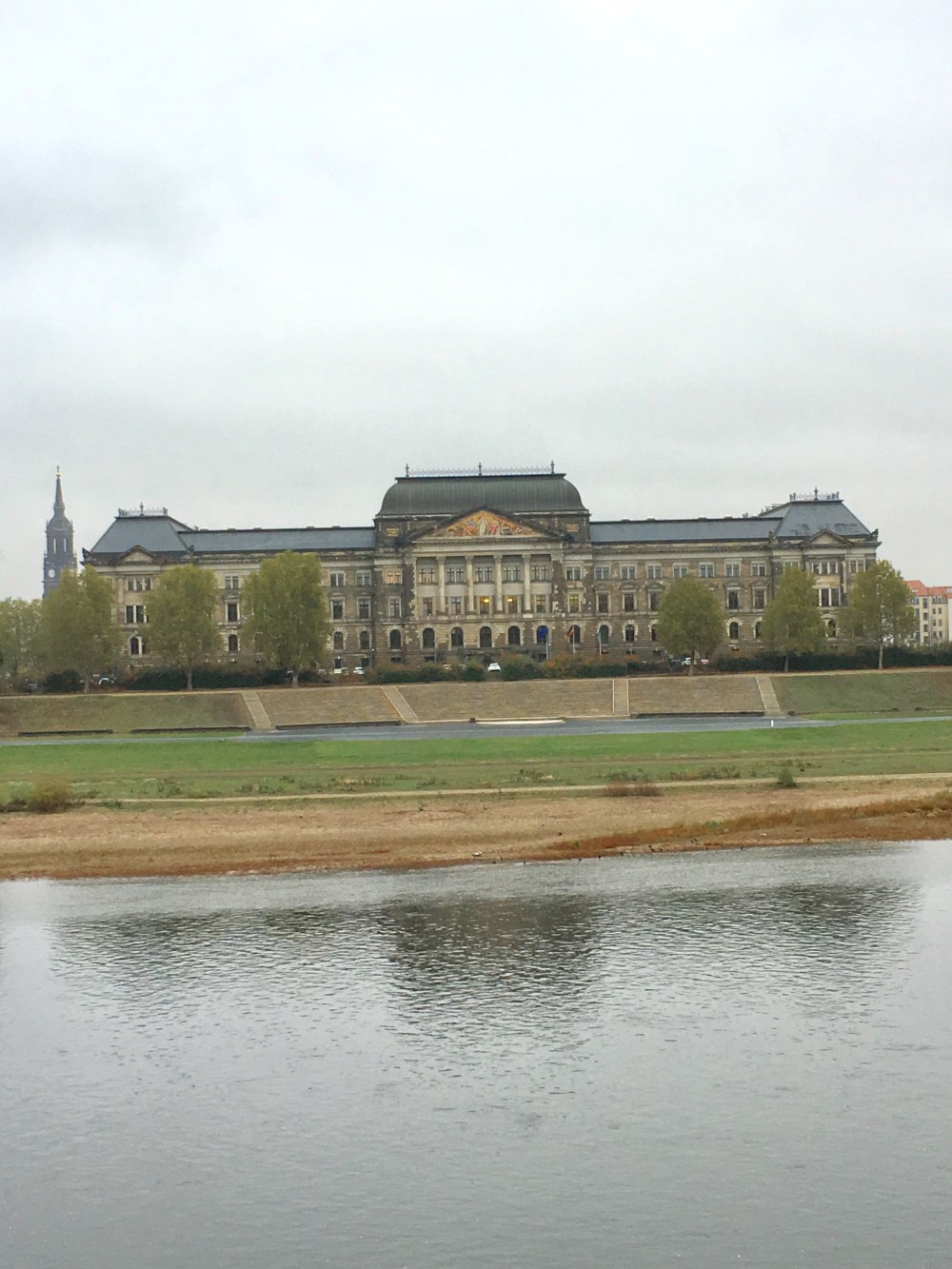
So Day 1 of Dresden (Sunday) it pretty much rained all day but it was a travel day and I got checked in, grabbed a bite to eat and relaxed at the hotel. Today, while it didn’t rain, was damp and kinda chilly. But I still ventured out to see this beautiful city along the Elbe River.
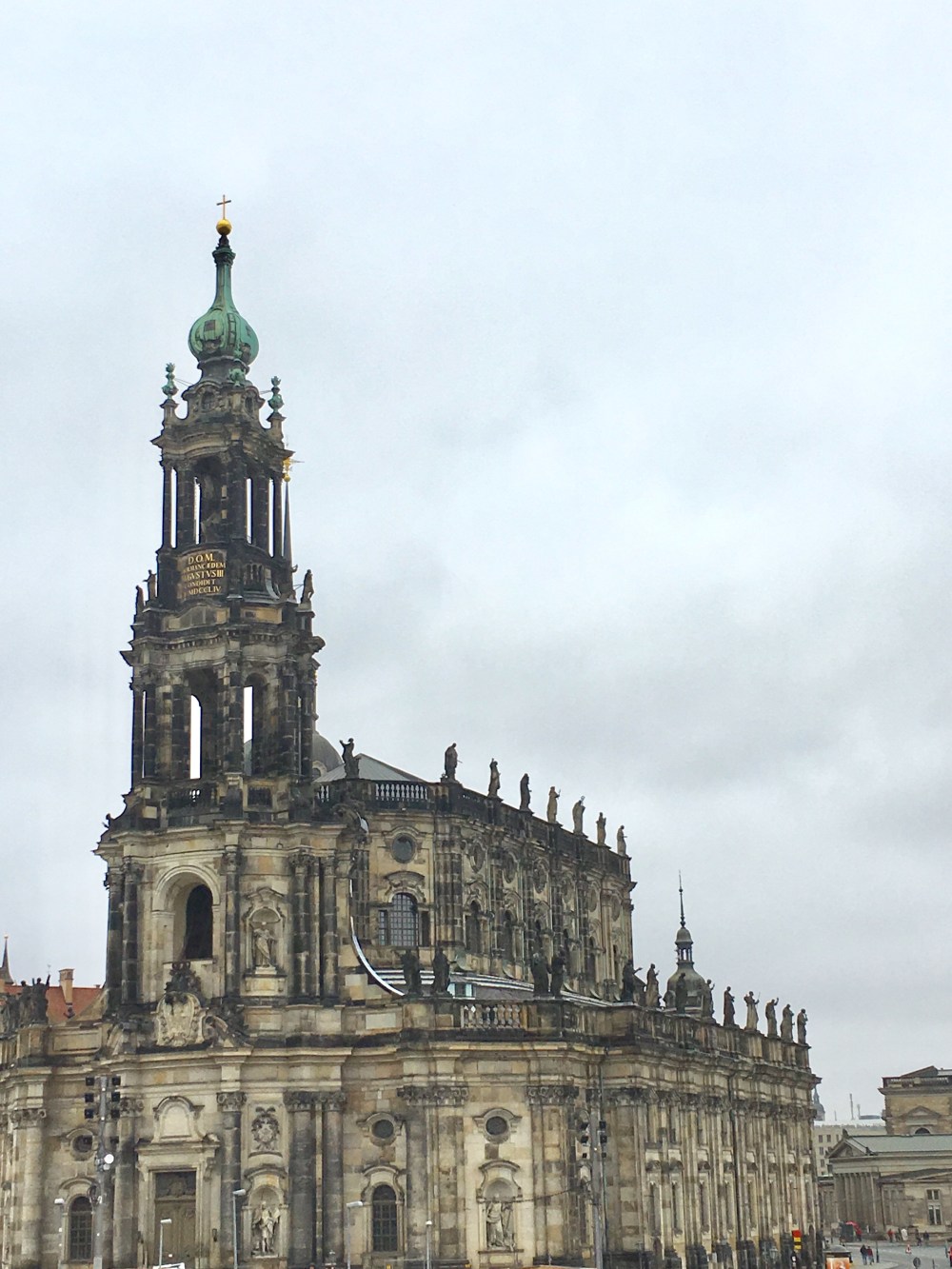
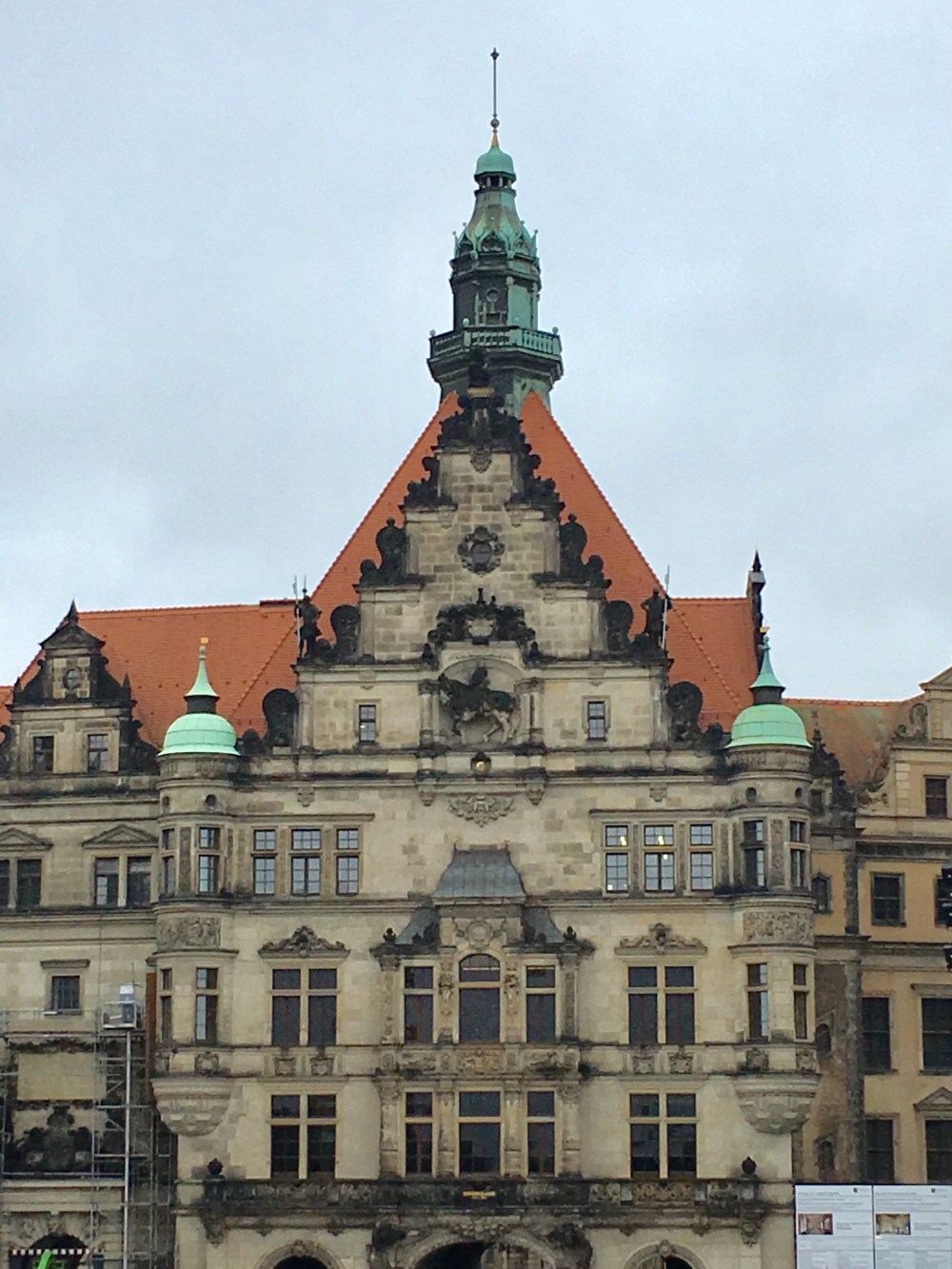
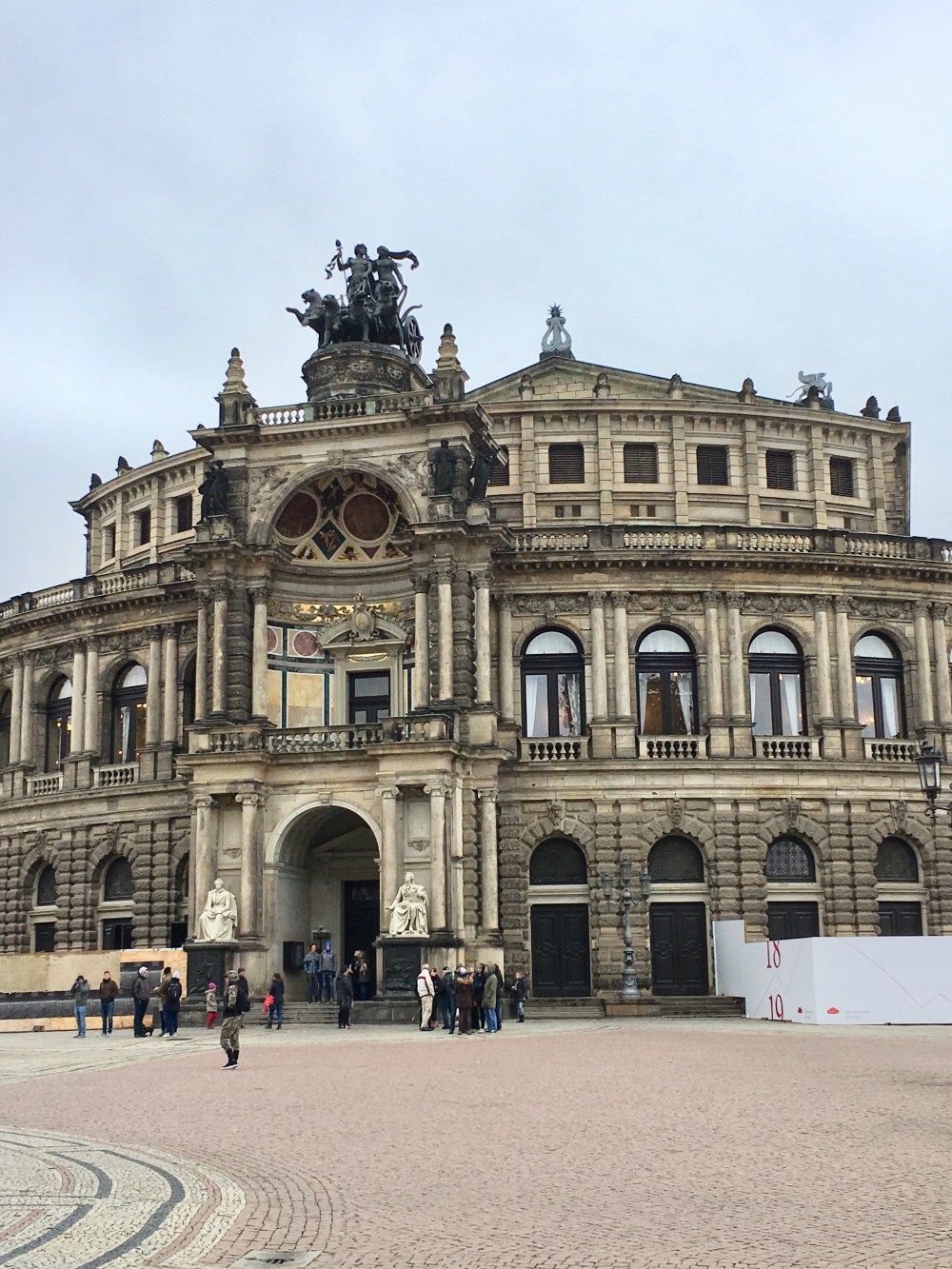
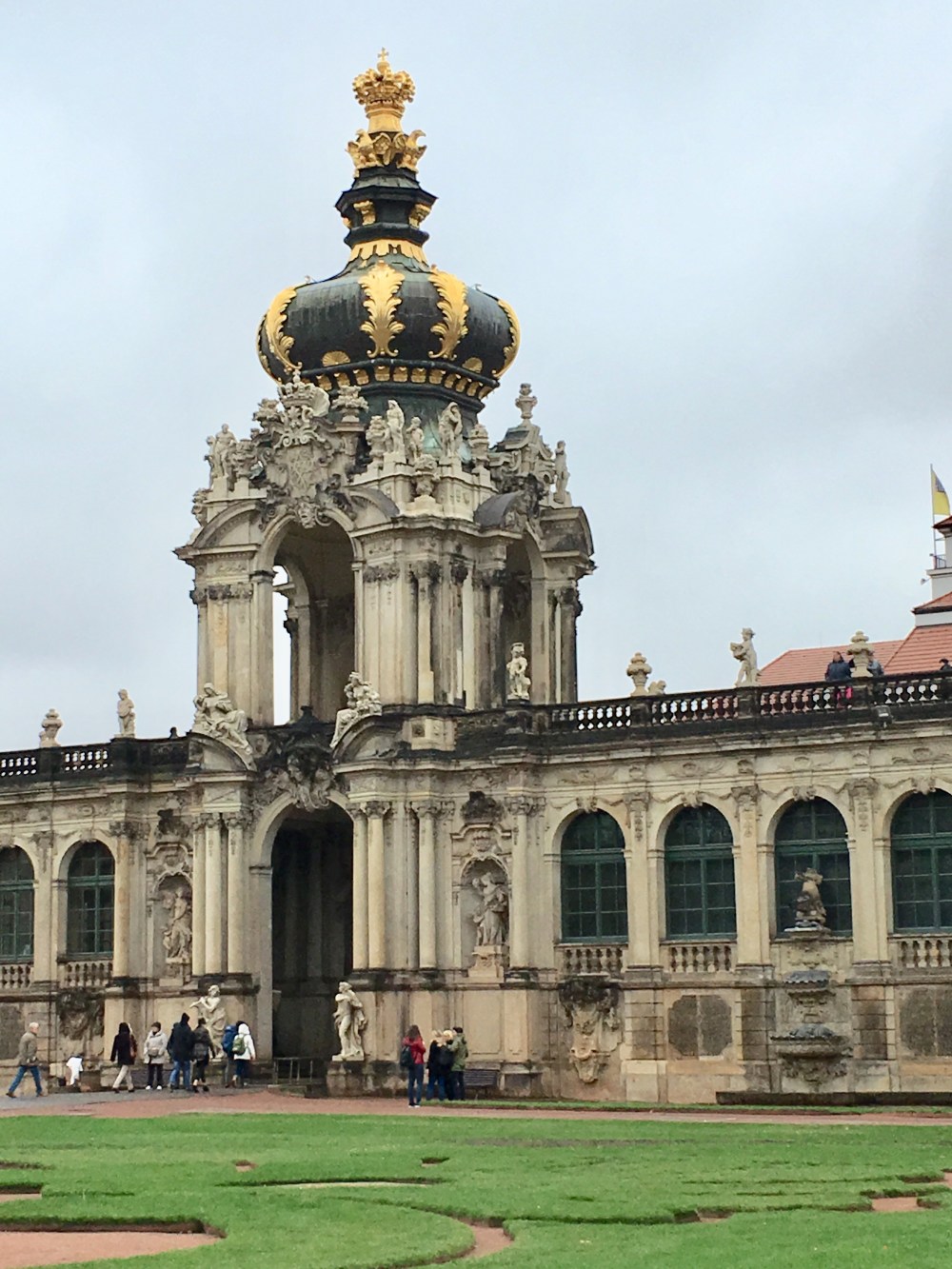
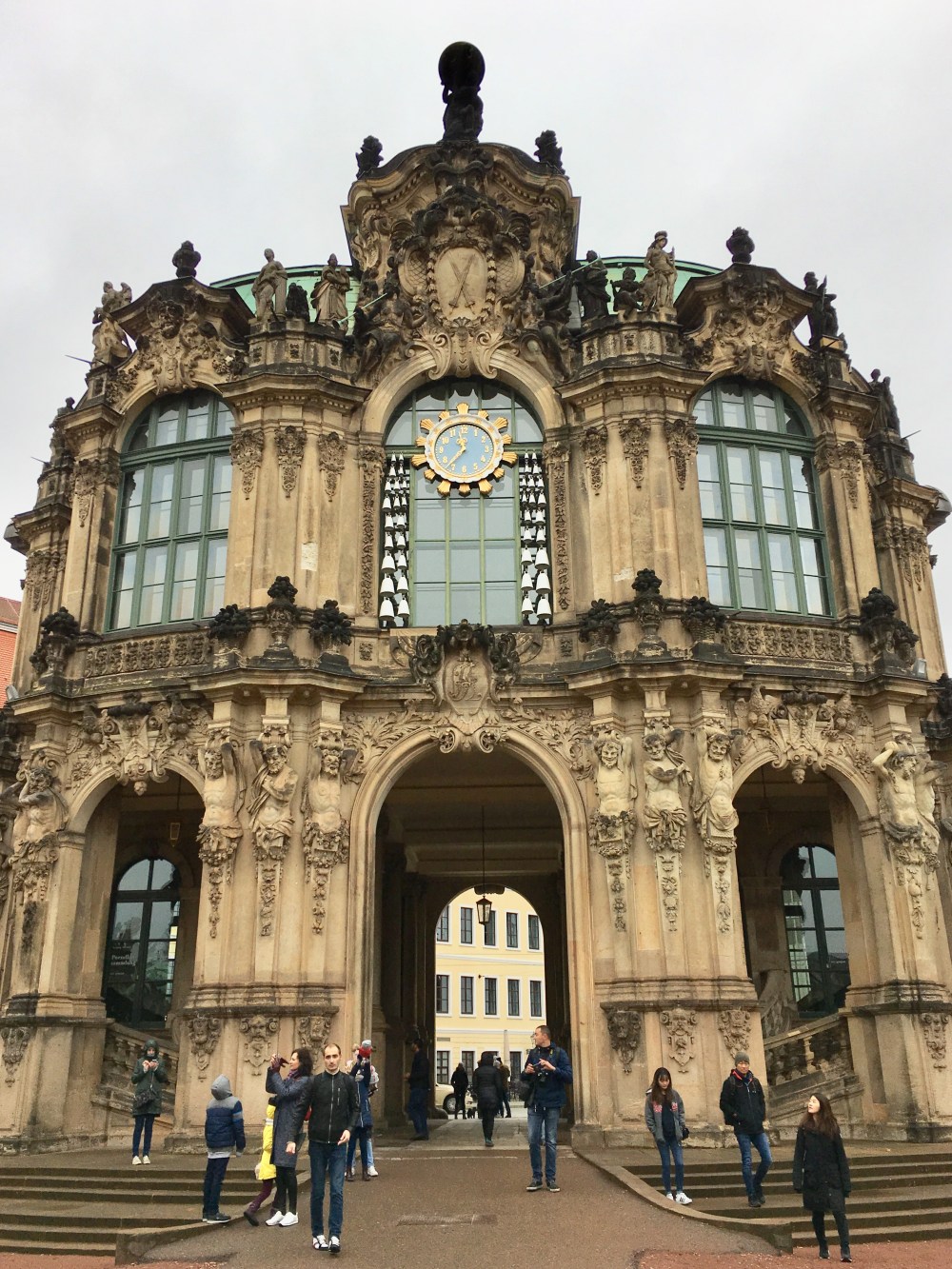
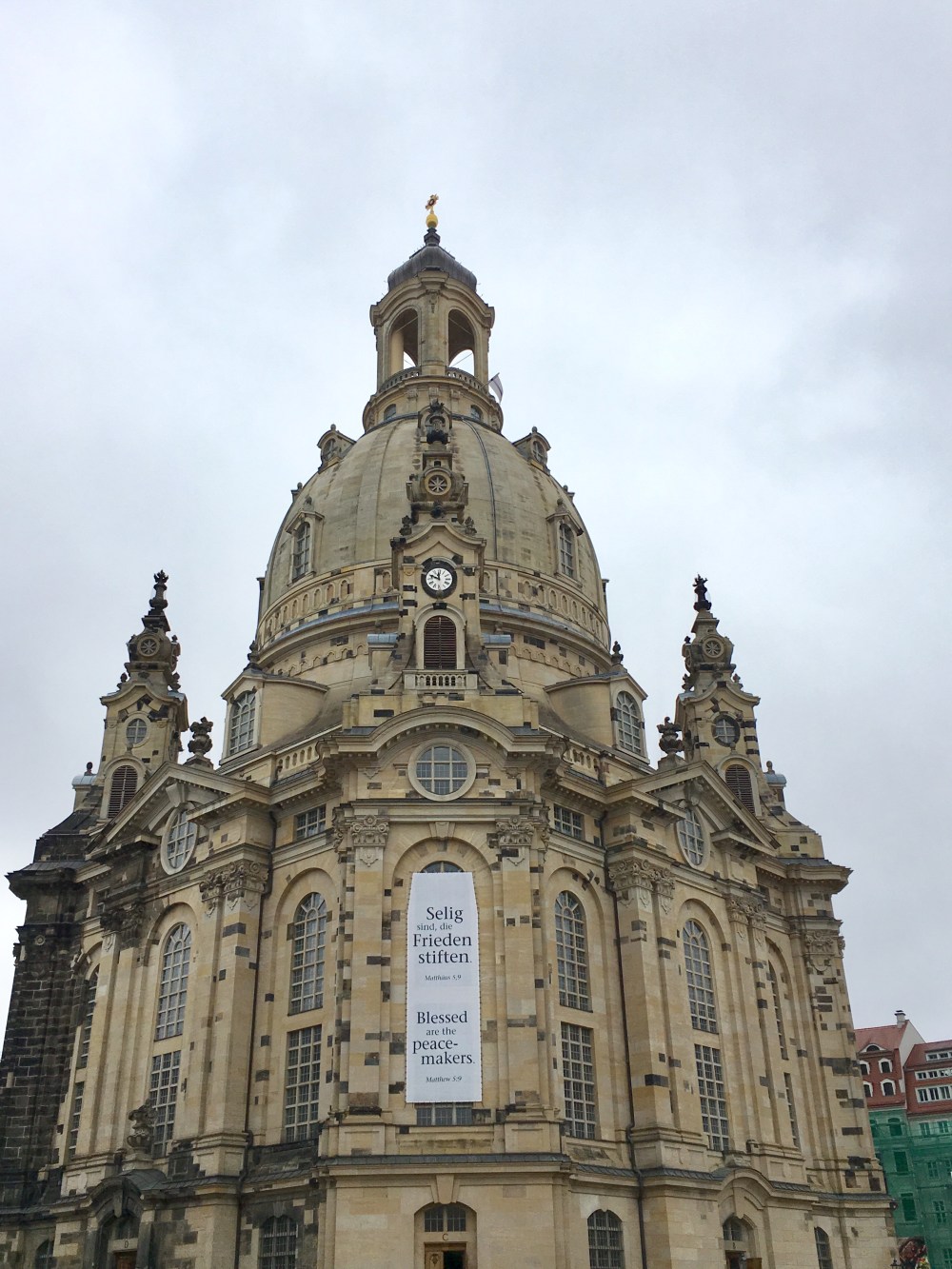
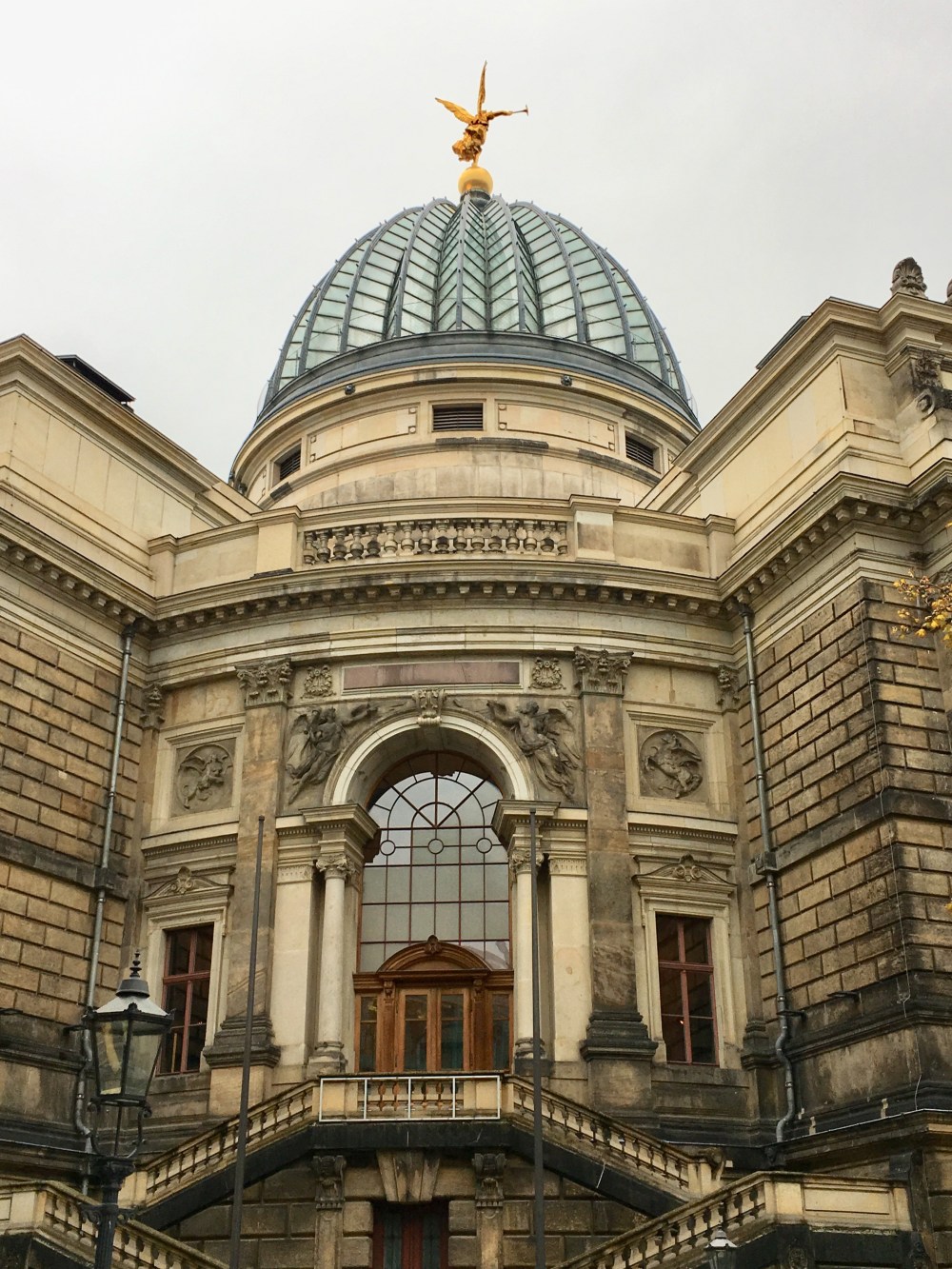
It’s about half way between Prague and Berlin on the train line so a nice stop off point. They call it the “Florence on the Elbe” due to all of it’s beautiful architecture and love for the arts. You’ll notice in the pictures that a lot of the buildings look like they’re covered in a black soot. It’s not that, it’s that they’re made of sandstone and that substance reacts to weather and rain over time by turning black. But mainly Dresden is known for being almost totally destroyed during World War II and building itself back up. Here’s a little history.
On the night of February 13, 1945, during the final months of WW II, American and British bomber crews firebombed Dresden to near ruin. More than 3,500 tons of explosives decimated the city over three waves of attacks. Hot hurricane-force wind tunnels tore through the streets.
With few air-raid shelters in the city, civilians had little place to take cover. More than 25,000 people were killed in just one horrible night, and 75 percent of the historical center was destroyed. American Kurt Vonnegut, who was a POW in Dresden during the fire-bombing, later memorialized the event in his novel Slaughter-House-Five.
Reconstruction while they were still East Germany and under Communist rule was lackluster. But after the Berlin Wall fell and Germany was reunited, new funding became available for Dresden to restore its historic center.
There’s an interesting story to the Lutheran Church (Church of Our Lady) that got restored (the 6th picture with the tall dome). It was destroyed during the bombings and sat in ruins for decades. Rebuilding of the church finally began in 1992 and the remnants of the destroyed church were fitted together like a giant jig-saw puzzle, with about a third of the darker original stones placed in their original spots. The reconstruction cost more than 100 million dollars, 90 percent of which came from donors around the world. But the even more interesting factoid is that the gold cross that you see on top of the Church was a gift from the British people in the year 2000 on the 55th anniversary of the bombing and it was crafted by an English coppersmith whose father had dropped bombs on the church that fateful night. How surreal.
Well that’s it for today. I’ll leave you to enjoy the great architecture of the city. Hope everyone’s week is starting out great!
Jeff

 The Wandering Italian